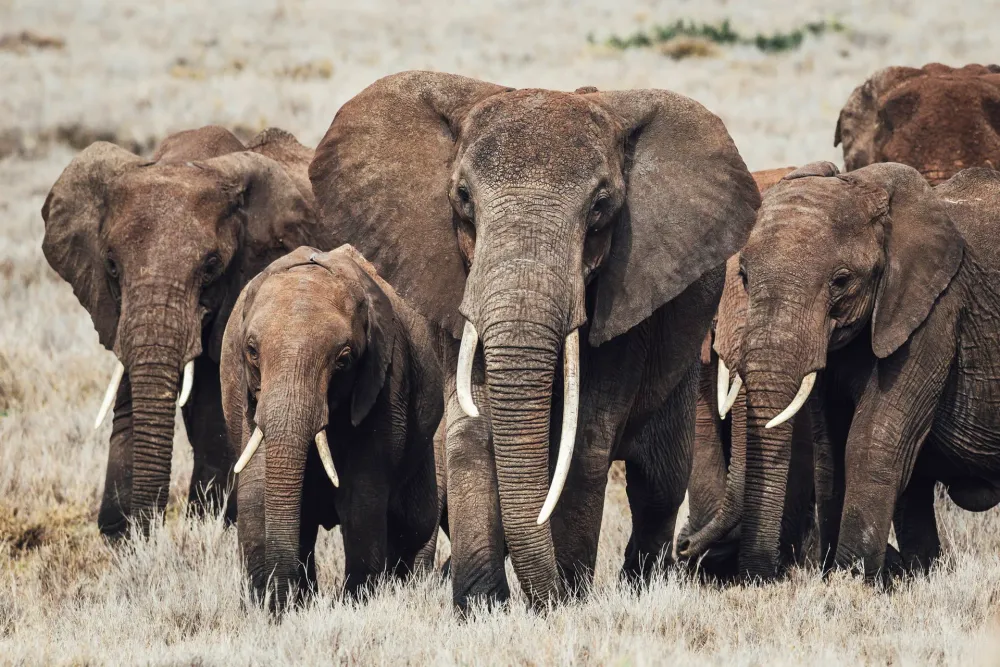
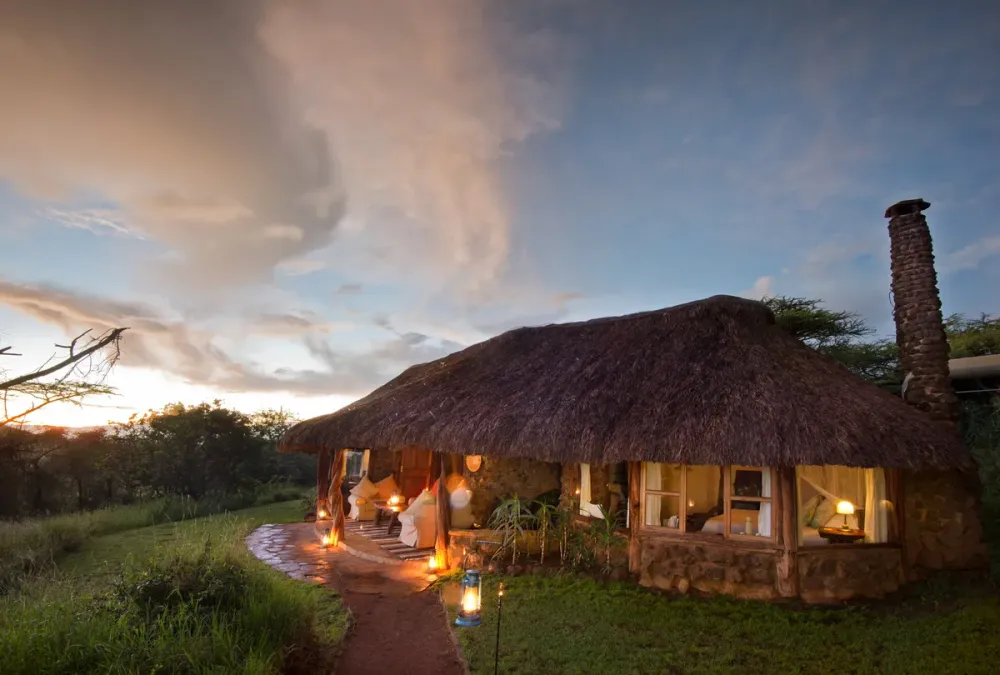
Family-owned, unpretentious luxury.
This is a rare trip that suits both families and honeymooners, built on family-owned, luxury camps. Start with tracking rhino in the Lewa Wildlife Conservancy, on the high Laikipia Plateau. You'll get great wildlife, culture, and even some hiking or biking. From there, travel south to the Maasai Mara, in a private conservancy at House in the Wild. This is the Mara beyond the crowds. End your trip relaxing and exploring the Swahili coast of the Lamu archipelago. Lamu is like a mini Zanzibar that is off the more well-worn tourist trails. Note that while malaria is present in some of these areas, the elevation and seasonality make it extremely rare.
1 night
Kenya's capital and the gateway to almost every safari — a green, high-altitude city on the edge of Nairobi National Park, where lions and rhino range within sight of the skyline. Most trips begin and end here: a night or two at Giraffe Manor, where the resident Rothschild's giraffes put their heads through the breakfast windows, or at a bush retreat on the park boundary, with time for the David Sheldrick elephant orphanage and the Karen Blixen house. International flights land at Jomo Kenyatta (NBO); light aircraft to the camps leave from Wilson (WIL).
4 nights
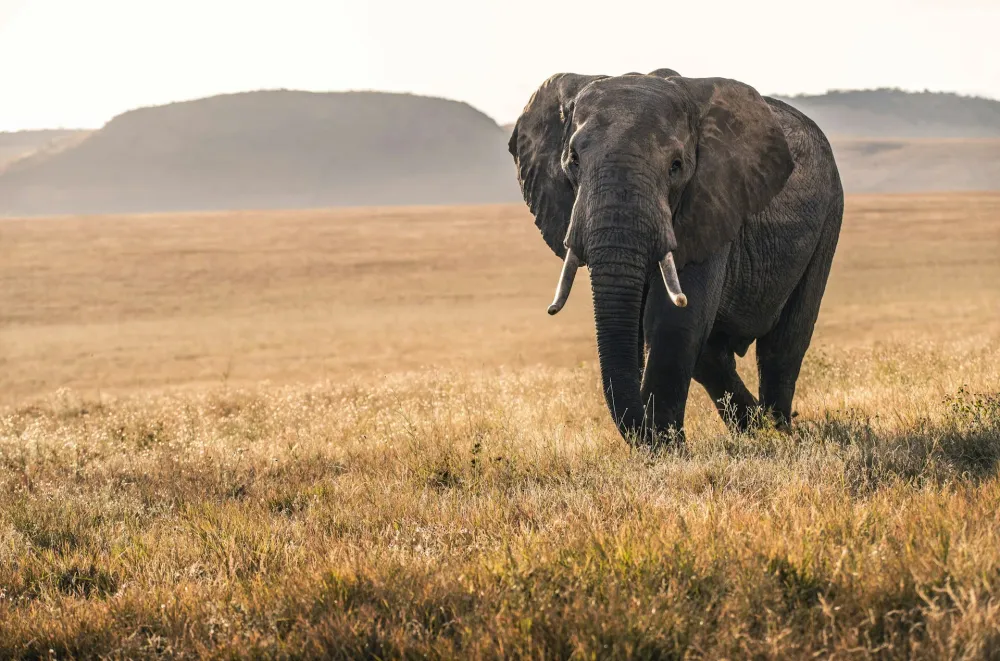
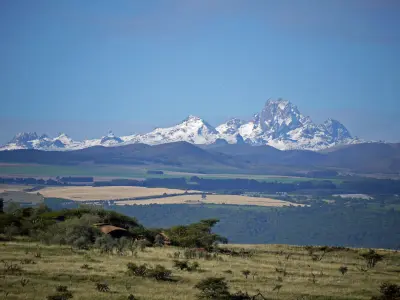
The Lewa Wildlife Conservancy on the Laikipia–Meru border, a UNESCO World Heritage site and one of Africa's great conservation successes, rolling from open plains to the forested foothills of Mount Kenya. Lewa holds a significant share of Kenya's black and white rhino alongside elephant, Grevy's zebra, reticulated giraffe and big cats, and permits the off-road driving, walking, horse riding and night drives the national parks don't. A handful of long-established, family-run houses and camps keep guest numbers low across the conservancy.
4 nights
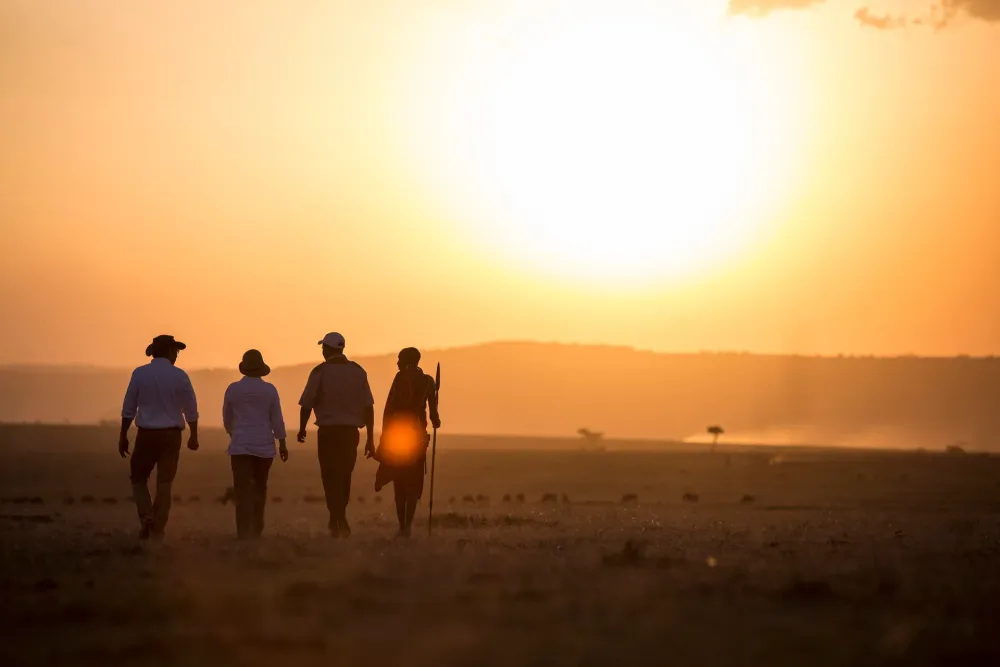
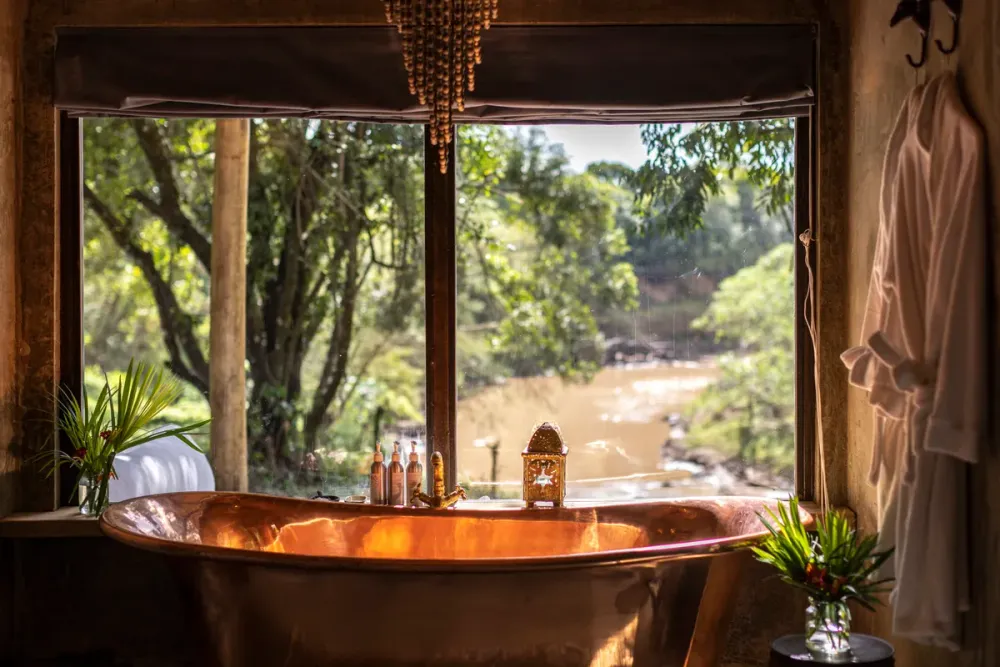
The private conservancies ringing the national reserve — Mara North, Naboisho, Olare Motorogi, Olderkesi, Enonkishu and others — community-owned land leased to a limited number of camps, and the connoisseur's way to do the Mara. Strict vehicle caps mean you often have a sighting to yourself, and because this is private land the camps offer what the reserve can't: off-road driving, night drives, guided walking safaris and cultural visits with the Maasai landowners. The same migration herds and resident big cats move freely between the conservancies and the reserve.
4 nights
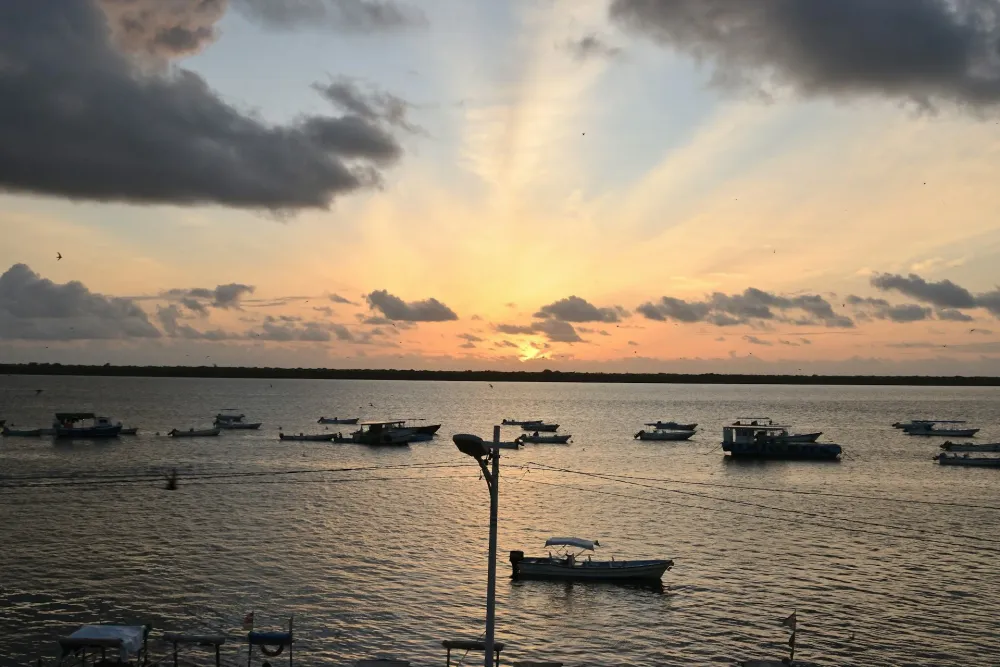
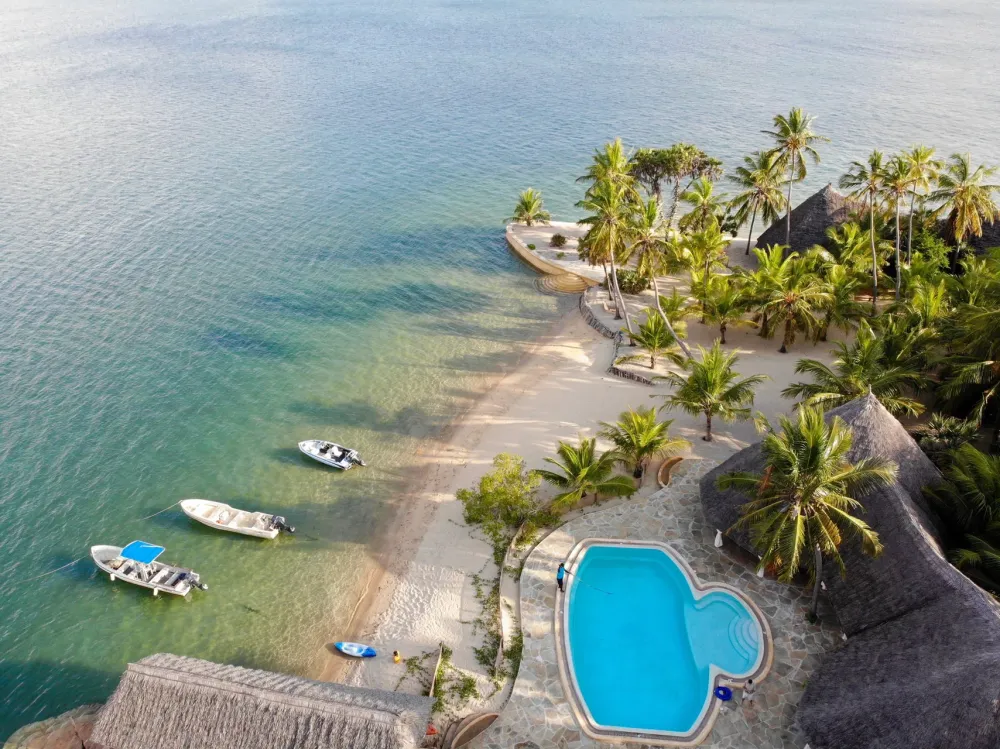
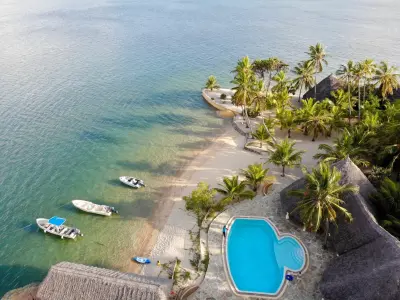
The Lamu archipelago off Kenya's far northern coast — a cluster of mangrove-fringed islands around Lamu Old Town, the oldest and best-preserved Swahili settlement in East Africa and a UNESCO World Heritage site. Life runs on dhow time: no cars, coral-stone houses, the call to prayer over the rooftops, and long empty beaches on Manda and the Kizingoni shore. It's the classic beach half of a Kenyan bush-and-beach trip — sailing, snorkelling, fresh seafood and deep quiet — reached by a short flight to Manda (LAU) and a boat transfer.
Departure airport
Kenya's capital and the gateway to almost every safari — a green, high-altitude city on the edge of Nairobi National Park, where lions and rhino range within sight of the skyline. Most trips begin and end here: a night or two at Giraffe Manor, where the resident Rothschild's giraffes put their heads through the breakfast windows, or at a bush retreat on the park boundary, with time for the David Sheldrick elephant orphanage and the Karen Blixen house. International flights land at Jomo Kenyatta (NBO); light aircraft to the camps leave from Wilson (WIL).
Visa / eTA — required before you travel. Kenya has replaced tourist visas with an electronic travel authorization (eTA), which you must obtain before entry. The eTA now also includes a mandatory government travel-insurance fee — separate from, and in addition to, your own travel insurance.
Arriving from a neighboring country? If you’re flying into Kenya from DRC, South Sudan, or Uganda — or from an elevated-risk country including Tanzania, Rwanda, Zambia, Angola, Burundi, Ethiopia, or Somalia — you’ll need to complete an Electronic Traveler Health Surveillance Form before landing (your airline provides the QR code), and you may be temperature-screened on arrival. Worth knowing if your trip pairs Kenya with a Tanzania or Rwanda safari.
Passport. Valid for at least 6 months beyond your arrival date, with 2 blank pages.
Vaccinations. A yellow-fever certificate — the ICVP, or “Yellow Card” — is required if you’re arriving from a yellow-fever country, or you may be denied entry.
Currency. No limit in or out, but amounts over US$10,000 (or the equivalent) need documentation showing the source and purpose of the funds.
Good to know. Any US dollars you plan to spend must be dated 2014 or later and free of markings or tears. The embassy also recommends carrying international medical and evacuation insurance.
U.S. Embassy, Nairobi: ke.usembassy.gov
Guidance for US passport holders — if you travel on another passport, please confirm the requirements for your nationality.
Every departure runs a similar route with all-in pricing. Prices vary by season.
Inclusions: Safari lodge and camp rates are inclusive of all meals, drinks, and most activities — including game drives — but exclude top-shelf drinks and premium activities like helicopter excursions. City and beach stays follow each property's own board basis, shown on the lodge.
Children are priced at each lodge's child rate. Exact rates and room allocation are confirmed at booking, once ages are collected.

Don't see what you're looking for?
We'll check whether this itinerary runs on different dates — sometimes with alternate lodges when the flagship is full.
Don't see the dates or lodges you want? Our safari experts will build a custom trip around you.
Plan a Custom Trip